Deck Staining and Sealing: Preserving Your Investment
Deck staining and sealing serve a vital function in preserving outdoor living areas. These techniques defend the wood against moisture, sun damage, and general wear. Regular upkeep can enhance both aesthetics and longevity. Unfortunately, many homeowners underestimate the value of these protective treatments. Grasping the right approaches and scheduling can produce meaningful results. What are the key steps to guarantee peak protection and value for your investment?
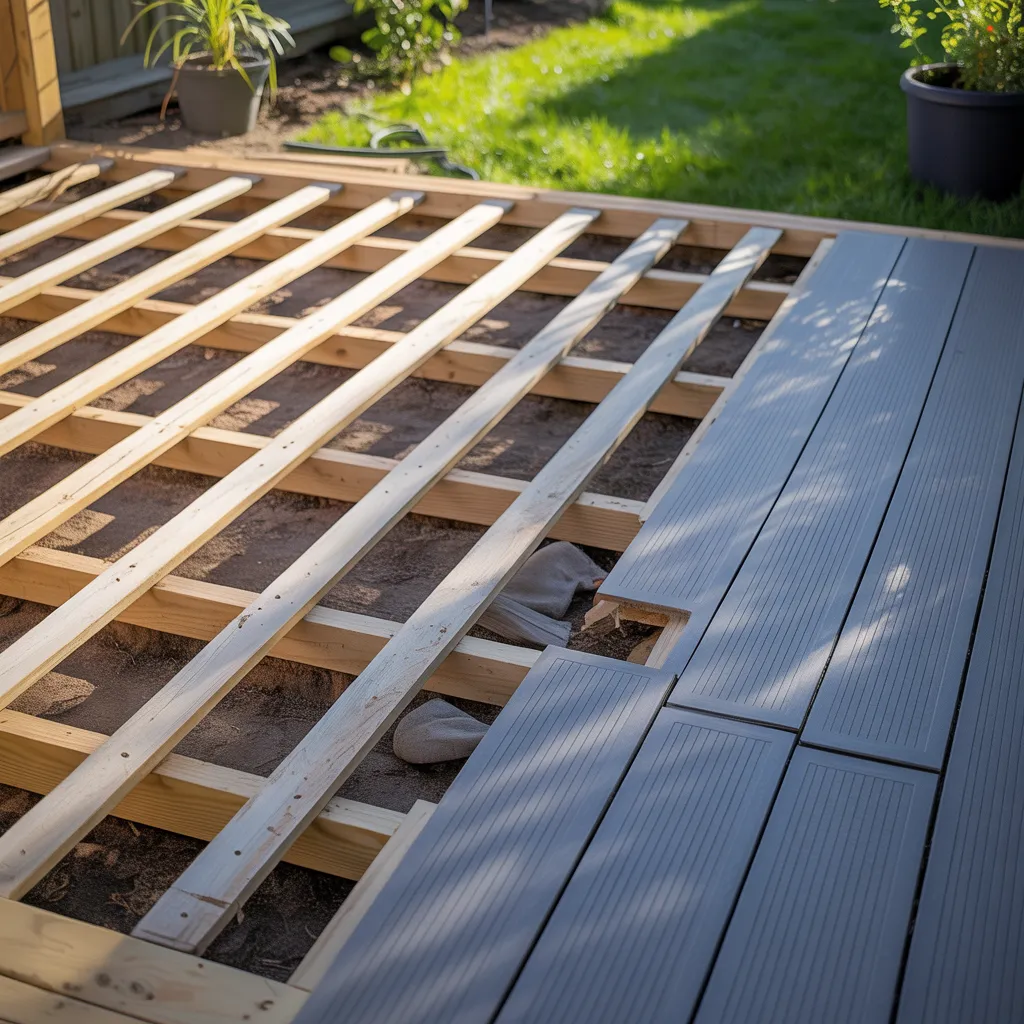
How to Ensure Longevity Through Deck Staining and Sealing
To extend the lifespan of a deck, thorough staining and sealing are critical. These treatments shield the wood from UV rays, moisture, and outdoor elements that can lead to damage. Staining forms a protective layer that blocks moisture infiltration, decreasing the likelihood of mold growth and decay. It additionally improves the wood's aesthetic, resulting in a more striking and polished appearance.
The view resource sealing process, in contrast, secures the stain while offering a further protective barrier against everyday wear and environmental damage. It is essential to select superior products made exclusively for exterior surfaces to ensure optimal results. Regular maintenance, including reapplication every few years, is necessary to preserve these protective properties.
A Step-by-Step Guide for Staining Your Deck
Appropriate staining and sealing establish the foundation for a successful deck renovation project. To begin, the deck must be completely cleaned to eliminate dirt, mildew, and existing stain. A power washer or a firm brush combined with a deck cleaner can prove highly effective. After cleaning, allow the deck to dry completely, typically for 24-48 hours, to guarantee ideal adhesion of the stain.
After that, any flaws or surface defects must be filled with a quality wood filler. Once repaired, the application of stain can get underway. Using a high-quality brush or roller, distribute the stain in an even manner, working in small sections to eliminate uneven overlapping. You must follow the wood grain for a flawless result.
Once the first coat has dried, a second coat might be required for enhanced protection and deeper color. Lastly, let the deck cure for a minimum of 24-48 hours prior to placing furniture or foot traffic, ensuring long-lasting results.
Choosing the Right Products for Deck Staining and Sealing
Picking the correct materials for deck staining and waterproofing is important, as the suitability and quality of supplies can considerably affect the appearance and longevity of the deck structure. Property owners should take into account the species of wood, surrounding climate conditions, and preferred finish when deciding on products.
For stains, selections vary from transparent to solid colors, each interacting with the wood in unique ways. Transparent stains offer a natural look whereas solid stains offer greater protection and richer color. Choosing a stain explicitly formulated for outdoor use is vital to ensure long-lasting performance.
Sealers are also a critical consideration, with choices encompassing both water-based and oil-based solutions. Water-based sealers offer fast drying times and simple cleanup, while oil-based options provide a deeper penetration into the wood. Additionally, checking for mildew and UV protection in sealers can enhance the deck's resilience against environmental factors. Making informed decisions can considerably increase the longevity of the deck.
Strategies and Guidelines for Proper Deck Sealing
Proper deck sealing necessitates thorough consideration of surface readiness and the choice of appropriate sealants. Thoroughly cleaning and sanding the surface ensures superior adhesion and durability of the sealant. Furthermore, picking the ideal sealant depending on the deck's composition and surrounding conditions can considerably strengthen protection.
Surface Preparation Essentials
A successful deck sealing project copyrights on thorough surface preparation, which greatly impacts the longevity and appearance of the finish. Initially, it is necessary to clean the deck surface by eliminating dirt, mildew, and existing finishes with a pressure washer or an appropriate deck cleaning solution. All unstable boards or nails need to be addressed to guarantee a stable surface. Running a sander over the deck can boost adhesion by smoothing rough patches. After cleaning and repairs, it is vital to let the surface dry thoroughly, as moisture can hinder sealant absorption. Lastly, checking the deck for leftover debris secures an immaculate surface, enabling the selected sealant to adhere properly and deliver maximum protection.
Finding The Right Sealant
How does one guarantee the right sealant is selected for a deck? Identifying an appropriate sealant involves several key aspects. First, it is essential to recognize the deck material—composite, wood, or vinyl—as this affects compatibility. For wood, water-based sealants are generally the top choice, while composite decks may require specialized products. Furthermore, evaluate the environmental conditions; for instance, decks exposed to direct sunlight may benefit from UV-resistant formulas. Moreover, consider the desired finish, whether glossy or matte, which can influence aesthetics. Finally, consulting product labels for usage instructions and drying times can ensure ideal performance. By thoroughly assessing these factors, homeowners can successfully protect their decks from the elements, ultimately maximizing their investment.
What Errors Should You Be Aware Of?
What typical mistakes should homeowners watch out for when staining and sealing their decks? One prevalent mistake is neglecting surface preparation. Neglecting to clean the deck adequately can cause poor adhesion of the stain or sealant, ultimately undermining the protective layer. In addition, many homeowners underestimate the importance of checking weather conditions; applying products in high humidity or during rain can result in a subpar finish.
Another common error involves picking the wrong kind of sealant or stain for the material of the deck. Not all products are compatible with every wood type, which can lead to unsightly peeling and discoloration. Moreover, applying too much stain can create a sticky surface that attracts dirt. Additionally, skipping maintenance checks after application can lead to premature deterioration, diminishing the investment made in the deck's protection. By understanding and recognizing these common errors, homeowners can guarantee their decks remain vibrant and well-protected.
What Is the Best Time to Stain and Seal Your Deck?
Determining the right time to stain and seal a deck requires consideration of several factors. Regular maintenance schedules, seasonal timing, and visible signs of wear are all critical elements in making this decision. Being aware of these aspects can help preserve both the lifespan and appearance of the deck.
Seasonal Scheduling Factors
Typically, the best time to stain and seal a deck aligns with mild weather conditions, ensuring ideal application and longevity of the finish. The spring season and early fall are commonly advised, as temperatures ranging from 50°F to 90°F offer optimal conditions. Throughout these periods, humidity levels tend to remain moderate, lowering the likelihood of humidity-related complications during the application.
It is advisable to avoid staining during extreme heat, heavy rain, or cold weather, as these weather conditions can reduce the sealant's effectiveness. Furthermore, staining must not be carried out when the deck is in direct sunlight, as this can cause the finish to dry too quickly, leading to an uneven application. Timing is essential for achieving a durable, protective coating.
Visual Evidence of Damage
A deck's appearance can reveal essential signs of damage that indicate the need for staining and sealing. Homeowners should look for several visual cues. Color fading commonly signals that the protective layer is breaking down, exposing the wood to the elements. Cracks or splits in the wood indicate moisture intrusion, potentially leading to significant decay. Moreover, the growth of mold or mildew, often appearing as dark spots, calls for immediate remediation. Distortion or bowing in the boards may further point to structural compromise. If the wood feels rough or splintered, it is a clear indicator that the surface is compromised. Detecting these indicators early on can safeguard the deck's condition and significantly lengthen its durability.
Recommended Maintenance Schedule
When property owners consider the durability of their decks, developing a recommended maintenance schedule for staining and sealing becomes essential. Typically, experts recommend staining every 2 to 3 years, according to the deck's exposure to elements and level of activity. Sealing should coincide with staining to offer the greatest level of protection. Signals that upkeep is needed include a loss of color, standing water on the deck, or visible wear. Furthermore, when the wood appears rough or has splinters, it serves as a sign that the deck needs attention. Periodic evaluations, ideally conducted twice a year, can help identify these issues early. Sticking to a regular maintenance plan not only improves the deck's visual appeal but also increases its longevity, ultimately protecting the homeowner's investment.
Warning Signs Your Deck Requires Immediate Attention
Identifying the indicators that a deck needs urgent care can avoid additional deterioration and expensive fixes. Homeowners should look for several key indicators. As a starting point, visible warping or bowing boards may undermine the deck's structural stability. Second, if the wood appears excessively faded or discolored, it may indicate insufficient protection against the elements. Third, the presence of mold, mildew, or rot signifies moisture retention, which can lead to severe deterioration. Beyond that, fractures or splintering in the boards not only detract from the deck's aesthetics but also present serious safety concerns. Lastly, should the deck's surface show peeling or bubbling, this signals that the sealant has broken down, permitting moisture to seep through. Addressing these issues promptly guarantees the longevity of the deck and protects the homeowner's investment. Regular inspections and timely maintenance are vital for preserving the deck's functionality and aesthetic appeal.
Answers to Your Most Common Questions
How Often Should I Inspect My Deck for Damage?
Decks ought to be examined a minimum of two times annually, preferably during spring and autumn. Routine evaluations help detect signs of damage, like decay or unsecured boards, enabling timely upkeep and maximizing the deck's useful life.
Is Staining My Deck in Cold Weather Possible?
Deck staining during cold weather is generally discouraged. Frigid temperatures can negatively impact the application and drying process, often causing poor adhesion and an inconsistent finish. It's best to wait for milder conditions.
What Is the Best Way to Remove Old Stain?
To eliminate old staining, one should use a reliable stripping or removal product, coating the surface evenly. Afterward, brushing the surface thoroughly and rinsing thoroughly makes certain all traces are cleared away, getting the surface ready for a new coat.
What Eco-Friendly Choices Are Available for Deck Staining?
Yes, there are sustainable options available for deck staining, including water-based stain products derived from organic ingredients and low-VOC solutions. These alternatives reduce impact on the environment while delivering reliable protection and enhancing the look of the deck.
How Can I Determine if My Stain Remains Effective?
To check whether a stain remains effective, one can perform a water test. If water droplets bead on the surface, the stain remains intact; should it be absorbed into the surface, the stain could need to be reapplied.